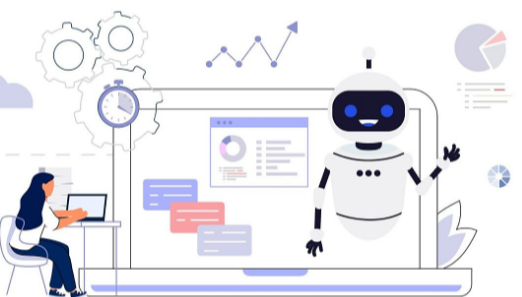
Artificial intelligence, or AI, simulates human intelligence through computer systems. It processes large datasets using algorithms that identify patterns and make decisions. Key components include machine learning and natural language processing. These technologies enable computers to learn and understand language, enhancing user interaction. As AI continues to evolve, its impact on various industries raises important questions about its future applications and implications. What transformations lie ahead?
What Is Artificial Intelligence?
Although definitions may vary, artificial intelligence (AI) can be broadly understood as the simulation of human intelligence processes by machines, particularly computer systems.
AI encompasses various types, including narrow AI, which performs specific tasks, and general AI, which aims for human-like understanding.
This distinction in AI types highlights the breadth of its applications, impacting diverse domains from healthcare to finance, thus promoting freedom through innovation.
Understanding Machine Learning
Machine learning, a subset of artificial intelligence, focuses on the development of algorithms that enable computers to learn from and make predictions based on data.
It encompasses two main types: supervised learning, where models are trained on labeled data, and unsupervised learning, which identifies patterns in unlabeled data.
These methods empower systems to adapt and improve autonomously, enhancing user freedom and decision-making capabilities.
Exploring Natural Language Processing
Natural Language Processing (NLP) represents a crucial intersection between artificial intelligence and linguistics, enabling machines to understand, interpret, and generate human language.
Through advanced language models, NLP facilitates complex text generation, allowing for meaningful interactions between humans and machines.
This technology not only enhances communication but also empowers individuals by providing tools for expression and understanding in a digital age.
Real-world Applications of AI
AI transforms various sectors by offering innovative solutions that enhance efficiency and decision-making processes.
In healthcare, AI drives innovations like predictive analytics for patient care and streamlined administrative tasks.
Meanwhile, autonomous vehicles leverage AI to improve safety and navigation, revolutionizing transportation.
These applications exemplify how AI not only boosts productivity but also empowers individuals and organizations, fostering a more liberated society.
Read Also: How AI Is Used in Education
Conclusion
In conclusion, artificial intelligence is revolutionizing the way we interact with technology and make decisions. By 2025, it’s estimated that AI will contribute $15.7 trillion to the global economy, highlighting its transformative potential. As industries increasingly adopt AI solutions, the need for understanding its mechanisms—such as machine learning and natural language processing—becomes crucial. Embracing AI not only enhances efficiency but also reshapes our future, making it imperative for society to adapt and thrive in this new landscape.